Organizational training should connect the building, the operating team and decision-makers

Commercial & institutional resilience

Organizational training should connect the building, the operating team and decision-makers.

Explore custom commercial flood-resilience training for property teams, facility staff, risk leaders, executives and multi-site organizations.

  • Ontario depth
  • Canada-wide learning
  • Standards-informed
  • Risk reduction, not guarantees

The practical answer

Start with the property, the operations and the consequence.

Resilience improves when ownership, facilities, property management, security, risk, continuity and procurement use the same language and understand their connected decisions. Training can combine foundations, exercises and implementation planning.

System view

Four areas that should be reviewed together

Each area needs a defined purpose, owner, evidence trail and review cycle.

01

Shared Terminology And Risk Model

Resilience improves when ownership, facilities, property management, security, risk, continuity and procurement use the same language and understand their connected decisions. Training can combine foundations, exercises and implementation planning.

02

Role Specific Decisions And Records

Resilience improves when ownership, facilities, property management, security, risk, continuity and procurement use the same language and understand their connected decisions. Training can combine foundations, exercises and implementation planning.

03

Scenario Exercise And Communication

Resilience improves when ownership, facilities, property management, security, risk, continuity and procurement use the same language and understand their connected decisions. Training can combine foundations, exercises and implementation planning.

04

Implementation Actions And Follow Up

Resilience improves when ownership, facilities, property management, security, risk, continuity and procurement use the same language and understand their connected decisions. Training can combine foundations, exercises and implementation planning.

Guidance 1

Shared Terminology And Risk Model

Resilience improves when ownership, facilities, property management, security, risk, continuity and procurement use the same language and understand their connected decisions. Training can combine foundations, exercises and implementation planning.

For this topic, the organization should define organizational outcomes. The decision should be recorded with the responsible owner, evidence used, limitations, review date and any need for qualified technical, legal, insurance or municipal advice.

Commercial resilience depends on connected decisions. Building systems, site drainage, occupancy, maintenance, emergency response, continuity and capital planning should not be evaluated as isolated programmes.

Commercial stormwater and flood resilience guidance for shared terminology and risk model

Guidance 2

Role Specific Decisions And Records

Resilience improves when ownership, facilities, property management, security, risk, continuity and procurement use the same language and understand their connected decisions. Training can combine foundations, exercises and implementation planning.

For this topic, the organization should select audience and delivery format. The decision should be recorded with the responsible owner, evidence used, limitations, review date and any need for qualified technical, legal, insurance or municipal advice.

Commercial resilience depends on connected decisions. Building systems, site drainage, occupancy, maintenance, emergency response, continuity and capital planning should not be evaluated as isolated programmes.
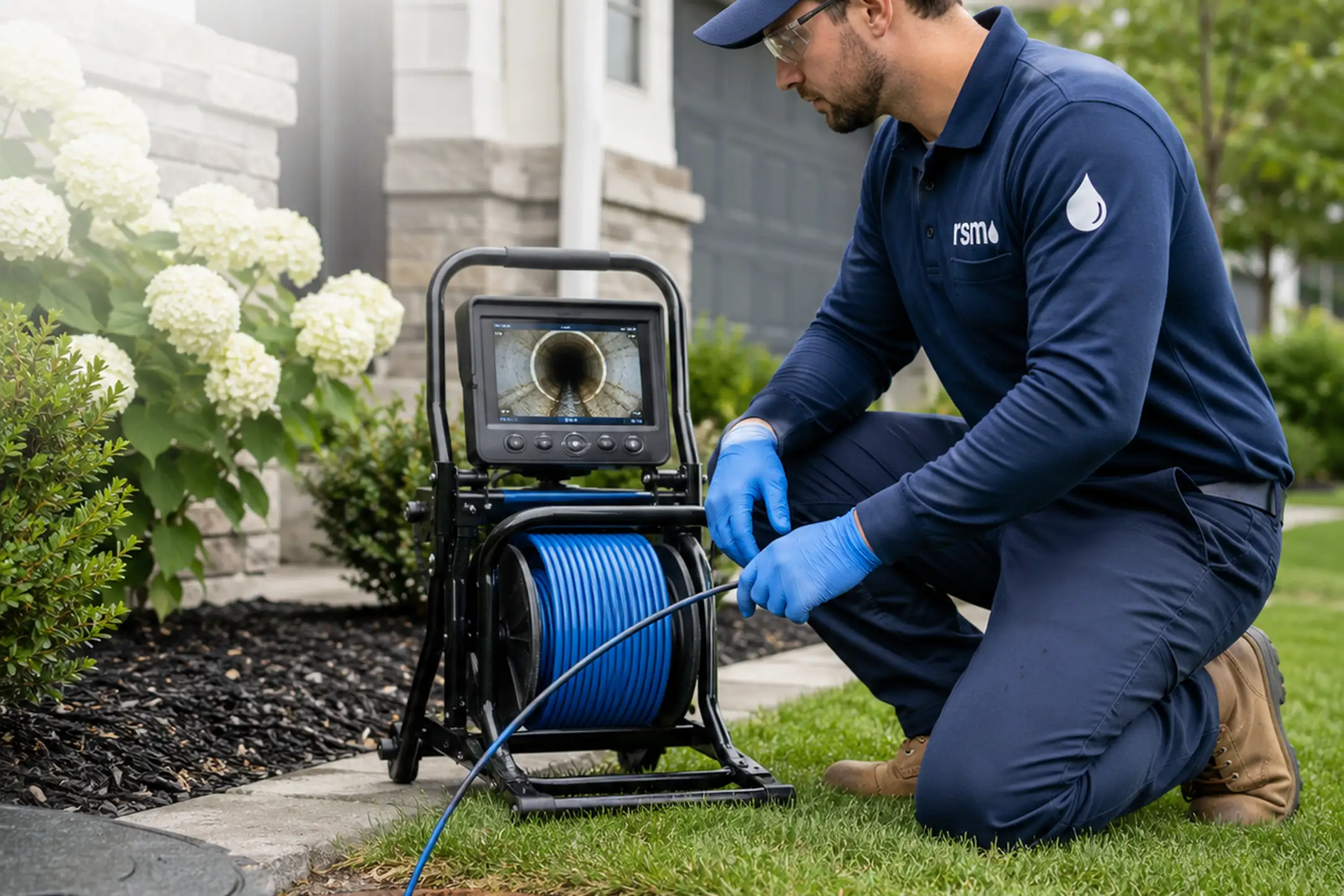
Commercial stormwater and flood resilience guidance for role specific decisions and records

Guidance 3

Scenario Exercise And Communication

Resilience improves when ownership, facilities, property management, security, risk, continuity and procurement use the same language and understand their connected decisions. Training can combine foundations, exercises and implementation planning.

For this topic, the organization should prepare site examples and pre-work. The decision should be recorded with the responsible owner, evidence used, limitations, review date and any need for qualified technical, legal, insurance or municipal advice.

Commercial resilience depends on connected decisions. Building systems, site drainage, occupancy, maintenance, emergency response, continuity and capital planning should not be evaluated as isolated programmes.

Commercial stormwater and flood resilience guidance for scenario exercise and communication

Implementation workflow

Move from concern to governed action

A useful commercial workflow identifies decisions, accountabilities and verification rather than producing an isolated report.

  1. 1

    Define Organizational Outcomes

    Assign an accountable owner, document the evidence and define what completion and verification will look like.

  2. 2

    Select Audience And Delivery Format

    Assign an accountable owner, document the evidence and define what completion and verification will look like.

  3. 3

    Prepare Site Examples And Pre Work

    Assign an accountable owner, document the evidence and define what completion and verification will look like.

  4. 4

    Deliver Learning And Scenario Exercises

    Assign an accountable owner, document the evidence and define what completion and verification will look like.

  5. 5

    Assign Implementation Actions

    Assign an accountable owner, document the evidence and define what completion and verification will look like.

  6. 6

    Review Transfer Into Practice And Continuing Education

    Assign an accountable owner, document the evidence and define what completion and verification will look like.

Readiness check

Use this page as a working review

Selections are stored only in this browser session and are not submitted to RSM.

0 of 6items reviewed

Common failure points

Avoid incomplete planning

  • Booking Generic Awareness When Change Is Required
  • Leaving Out Funding Or Policy Owners
  • Using Training As A Substitute For Licensed Work
  • Ending Without Assigned Actions
Commercial building systems being inspected and documented

Connected pathways

Continue with the next useful decision

Frequently asked questions

Questions organizations commonly ask

Can training be delivered privately?

Yes. Audience, format, location and outcomes should be defined before pricing.

Does training certify the building?

No. Training develops people and processes; it does not certify a property.

Can a programme include a site exercise?

Potentially, with safe scope, permission and clear limitations.

How is effectiveness measured?

Use learning checks, exercise observations, action completion and follow-up evidence.

Official source basis

Use current public and professional requirements

RSM summarizes concepts for education. Confirm design, legal, insurance, code, permit, funding and emergency requirements with the responsible authority or qualified professional.

Next step

Turn commercial flood-resilience knowledge into an owned programme.

Connect the building, site, people, records and investment decisions through one accountable pathway.

Published: July 19, 2026   Last reviewed: July 19, 2026

Prepared by Regional Stormwater Management for public and professional education. RSM does not certify buildings, guarantee flood prevention, determine insurance coverage or replace engineering, legal, municipal or emergency advice.