
Facility teams keep resilience controls observable, accessible and ready to operate

Commercial & institutional resilience

Facility teams keep resilience controls observable, accessible and ready to operate.

Operational guidance for facility teams responsible for drainage, pumps, alarms, barriers, roofs, records and emergency actions.

  • Ontario depth
  • Canada-wide learning
  • Standards-informed
  • Risk reduction, not guarantees

The practical answer

Start with the property, the operations and the consequence.

Facility teams are often first to notice ponding, changing pump runtime, blocked drains, damaged seals or repeat alarms. A strong programme gives them clear inspection criteria, safe response limits and authority to escalate.
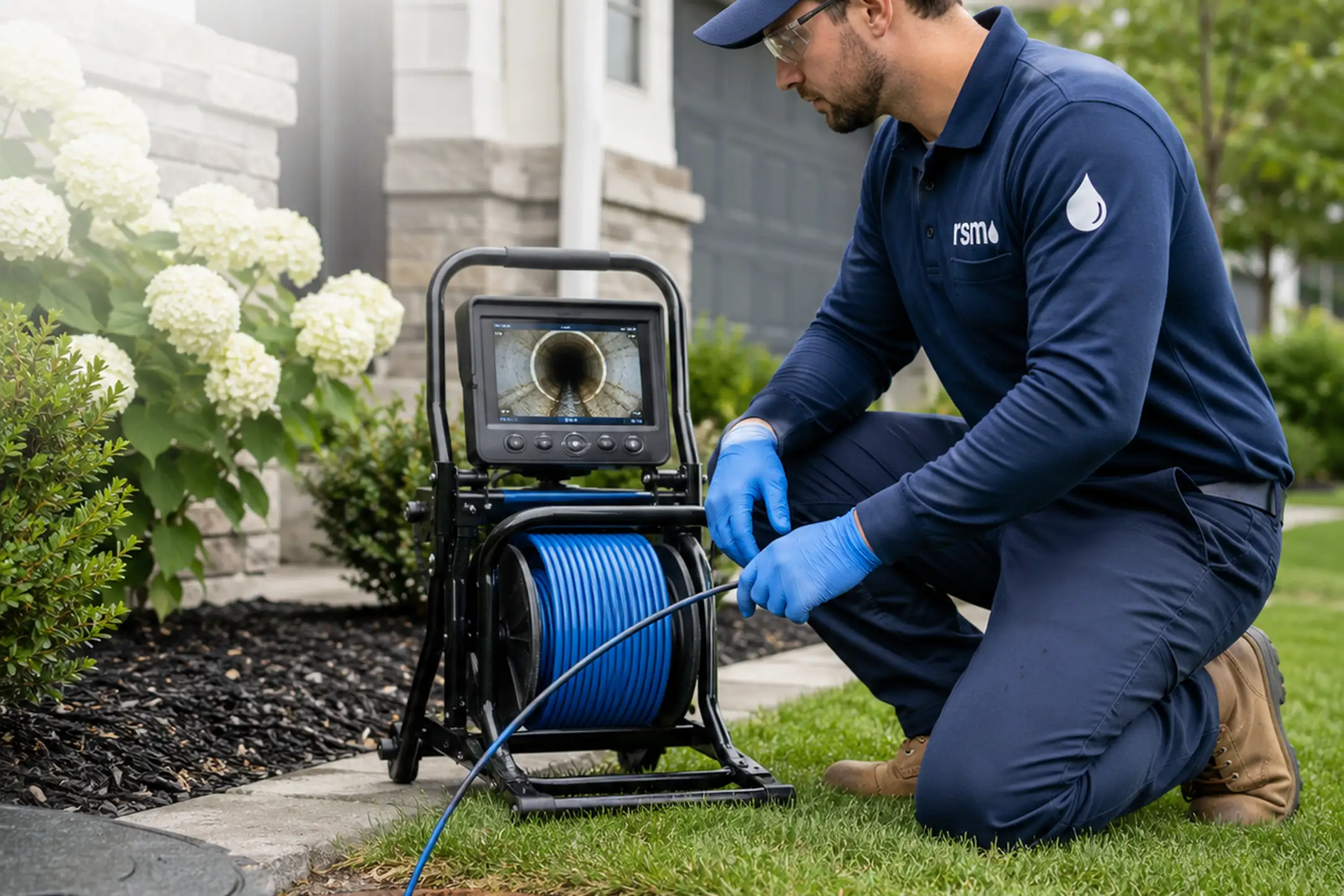
System view

Four areas that should be reviewed together

Each area needs a defined purpose, owner, evidence trail and review cycle.

01

Situational Awareness And Forecasts

Facility teams are often first to notice ponding, changing pump runtime, blocked drains, damaged seals or repeat alarms. A strong programme gives them clear inspection criteria, safe response limits and authority to escalate.

02

Technical Readiness And Access

Facility teams are often first to notice ponding, changing pump runtime, blocked drains, damaged seals or repeat alarms. A strong programme gives them clear inspection criteria, safe response limits and authority to escalate.

03

Safe Response Boundaries

Facility teams are often first to notice ponding, changing pump runtime, blocked drains, damaged seals or repeat alarms. A strong programme gives them clear inspection criteria, safe response limits and authority to escalate.

04

Early Escalation And Evidence

Facility teams are often first to notice ponding, changing pump runtime, blocked drains, damaged seals or repeat alarms. A strong programme gives them clear inspection criteria, safe response limits and authority to escalate.

Guidance 1

Situational Awareness And Forecasts

Facility teams are often first to notice ponding, changing pump runtime, blocked drains, damaged seals or repeat alarms. A strong programme gives them clear inspection criteria, safe response limits and authority to escalate.

For this topic, the organization should review site-specific pathways. The decision should be recorded with the responsible owner, evidence used, limitations, review date and any need for qualified technical, legal, insurance or municipal advice.

Commercial resilience depends on connected decisions. Building systems, site drainage, occupancy, maintenance, emergency response, continuity and capital planning should not be evaluated as isolated programmes.

Commercial stormwater and flood resilience guidance for situational awareness and forecasts

Guidance 2

Technical Readiness And Access

Facility teams are often first to notice ponding, changing pump runtime, blocked drains, damaged seals or repeat alarms. A strong programme gives them clear inspection criteria, safe response limits and authority to escalate.

For this topic, the organization should create inspection and response routes. The decision should be recorded with the responsible owner, evidence used, limitations, review date and any need for qualified technical, legal, insurance or municipal advice.

Commercial resilience depends on connected decisions. Building systems, site drainage, occupancy, maintenance, emergency response, continuity and capital planning should not be evaluated as isolated programmes.

Commercial stormwater and flood resilience guidance for technical readiness and access

Guidance 3

Safe Response Boundaries

Facility teams are often first to notice ponding, changing pump runtime, blocked drains, damaged seals or repeat alarms. A strong programme gives them clear inspection criteria, safe response limits and authority to escalate.

For this topic, the organization should keep controls labelled and unobstructed. The decision should be recorded with the responsible owner, evidence used, limitations, review date and any need for qualified technical, legal, insurance or municipal advice.

Commercial resilience depends on connected decisions. Building systems, site drainage, occupancy, maintenance, emergency response, continuity and capital planning should not be evaluated as isolated programmes.

Commercial stormwater and flood resilience guidance for safe response boundaries

Implementation workflow

Move from concern to governed action

A useful commercial workflow identifies decisions, accountabilities and verification rather than producing an isolated report.

  1. 1

    Review Site Specific Pathways

    Assign an accountable owner, document the evidence and define what completion and verification will look like.

  2. 2

    Create Inspection And Response Routes

    Assign an accountable owner, document the evidence and define what completion and verification will look like.

  3. 3

    Keep Controls Labelled And Unobstructed

    Assign an accountable owner, document the evidence and define what completion and verification will look like.

  4. 4

    Maintain Shift Level Action Cards

    Assign an accountable owner, document the evidence and define what completion and verification will look like.

  5. 5

    Exercise Alarms, Barriers And Communications

    Assign an accountable owner, document the evidence and define what completion and verification will look like.

  6. 6

    Report Trends And Close Deficiencies

    Assign an accountable owner, document the evidence and define what completion and verification will look like.

Readiness check

Use this page as a working review

Selections are stored only in this browser session and are not submitted to RSM.

0 of 6items reviewed

Common failure points

Avoid incomplete planning

  • Depending On One Experienced Employee
  • Treating Recurring Alarms As Normal
  • Entering Unsafe Water Affected Spaces
  • Correcting Symptoms Without Recording Causes
Commercial building systems being inspected and documented

Connected pathways

Continue with the next useful decision

Frequently asked questions

Questions organizations commonly ask

Should staff inspect every system?

Tasks must match training, authorization and safety requirements; specialists may be needed.

What should be checked before severe weather?

Drainage, pumps, alarms, barriers, access, power, contacts and open deficiencies.

How should recurring problems be handled?

Record the pattern, temporary control and consequence, then escalate.

Can staff enter shallow floodwater?

Depth alone does not determine safety; electrical, sewage, chemical and hidden hazards may exist.

Official source basis

Use current public and professional requirements

RSM summarizes concepts for education. Confirm design, legal, insurance, code, permit, funding and emergency requirements with the responsible authority or qualified professional.

Next step

Turn commercial flood-resilience knowledge into an owned programme.

Connect the building, site, people, records and investment decisions through one accountable pathway.

Published: July 19, 2026   Last reviewed: July 19, 2026

Prepared by Regional Stormwater Management for public and professional education. RSM does not certify buildings, guarantee flood prevention, determine insurance coverage or replace engineering, legal, municipal or emergency advice.