
Safety boundary
Do not enter electrically, structurally or biologically unsafe areas for documentation.
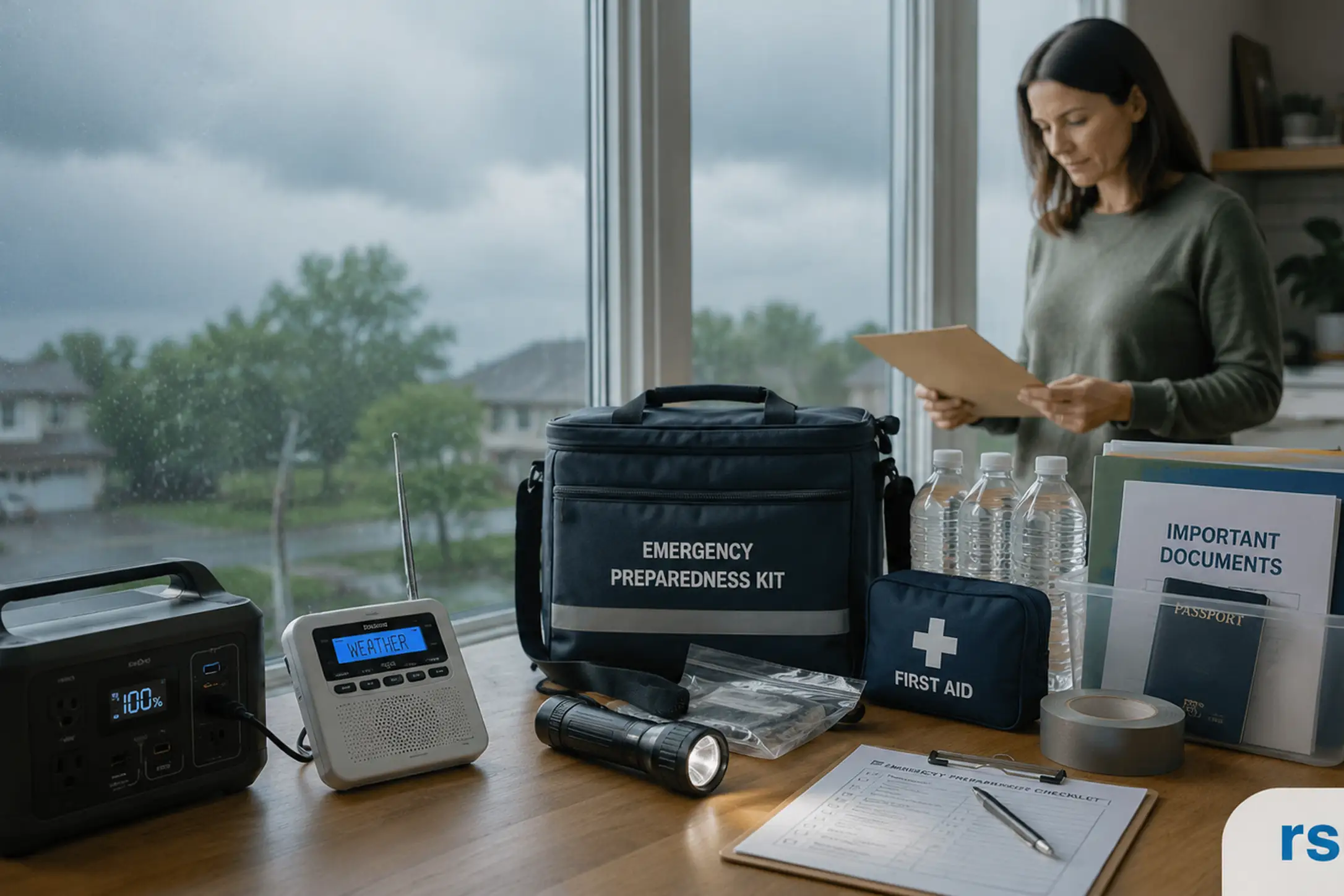
Recovery records
A structured record plan for preserving evidence without delaying emergency action or entering unsafe areas.
Who this serves
Independent education, resource organization, research translation and pathways to official information.
Government eligibility, insurance coverage, legal requirements, engineering decisions and emergency direction.
Current-event and programme pages must be rechecked when dates, maps or rules change.
Resource design
Do not enter electrically, structurally or biologically unsafe areas for documentation.
Photograph and inventory damaged property when safe and permitted.
Keep invoices, receipts, proof of payment and the reason the cost was necessary.
Record date, location, water pathway, reports and official event information.
Purpose
Use wide orientation images, closer damage images, serial numbers, water lines, affected rooms, exterior conditions and the relationship between damaged items and the event. Preserve original files with date information and create a written inventory that does not rely on memory alone.
Evidence and context
Keep policy documents, claim number, adjuster communications, coverage decisions, municipal reports, emergency contractor records, cleanup instructions and assistance correspondence. Record what was discarded and why, especially when health or safety required rapid removal.
Responsible use
Create folders for property, contents, emergency expenses, cleanup, repairs, insurance and public assistance. Use a simple index with date, supplier, amount, payment status and related photograph. Keep copies outside the damaged location and protect personal information.
Use sequence
Address immediate safety and emergency reporting.
Capture exterior and interior evidence when safe.
Inventory damaged property and essential expenses.
Store originals, receipts and communications securely.
Provide copies through the official insurer or programme channel.
Avoid these mistakes
Related pathways
Official and institutional references
RSM explains and organizes information. Current government, municipal, insurance, research and programme sources remain controlling within their scope.
Frequently asked questions
No. Protect health and safety. Document what is safe and follow insurer, municipal and emergency directions.
Keep original photos and videos where possible because metadata and quality may be useful.
Emergency accommodation, cleanup, essential replacement and repair records may matter, but eligibility depends on the insurer or official programme.
Keep originals and provide copies unless the official process specifically requires otherwise.
Put knowledge into action
Use RSM to understand the field, then confirm the current authority and qualified role for the decision in front of you.
Published: July 19, 2026 Last reviewed: July 19, 2026
RSM is an independent educational platform. It does not administer DRAO, determine insurance coverage, guarantee funding or replace emergency, municipal, legal, engineering or professional advice.
Next steps
Continue by resource type, location or the responsibility you hold.